
In today’s digital world, building a strong online brand is essential for business success. Whether you are a small business owner, entrepreneur, or growing company, your online brand helps customers recognize, trust, and choose your business over competitors.
A strong online brand is more than just a logo or a website. It represents your business values, personality, customer experience, and the way people perceive your company across digital platforms. When done correctly, online branding can increase visibility, attract loyal customers, and support long-term growth.
This guide explains how to build a strong brand online with practical and effective strategies.
What Is an Online Brand?

An online brand is the digital identity of your business. It includes:
- Your logo and visual design
- Website and social media presence
- Brand voice and messaging
- Customer experience and reputation
- Content, reviews, and interactions online
Your online brand shapes how customers feel about your business before they ever make a purchase.
Why Building a Strong Online Brand Matters
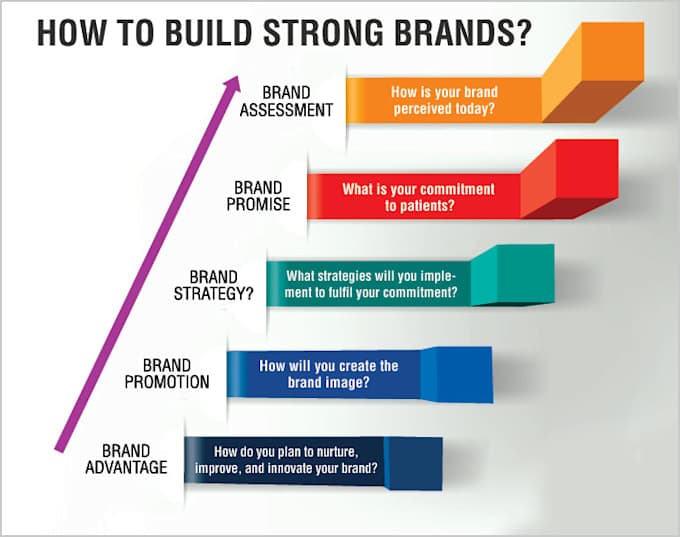
A strong online brand offers several important benefits:
- Builds trust and credibility: Customers are more likely to buy from businesses they recognize and trust.
- Increases brand awareness: A consistent online presence helps more people discover your business.
- Creates customer loyalty: Strong branding encourages repeat customers and referrals.
- Sets you apart from competitors: A unique brand identity helps your business stand out in a crowded market.
- Supports marketing efforts: Consistent branding makes your digital marketing campaigns more effective.
Now, let’s explore the key steps to building a strong brand online.
1. Define Your Brand Identity
The first step in learning how to build a strong brand is creating a clear brand identity.Before building your online presence, you need to clearly define your brand identity. Ask yourself:
- What does my business stand for?
- What problems do I solve for customers?
- What makes my business different from competitors?
- What tone and personality should my brand have?
Your brand identity should include:
- Mission and vision: The purpose and long-term goals of your business.
- Core values: The principles that guide your business decisions.
- Target audience: The specific group of people you want to reach.
- Brand personality: How your brand communicates, such as friendly, professional, modern, or creative.
A clear brand identity creates a strong foundation for all your online branding efforts
2. Create a Professional Website
A professional website is essential when exploring how to build a strong brand online.Your website is the center of your online brand. It is often the first place potential customers visit to learn about your business.
To build a strong brand online, your website should:
- Have a clean and professional design.
- Be easy to navigate.
- Load quickly on all devices.
- Be mobile-friendly.
- Include clear information about your products or services.
- Showcase your brand colors, logo, and messaging consistently.
- Include customer testimonials or reviews to build trust.
A well-designed website improves credibility and gives visitors a positive first impression of your brand.
3. Develop a Consistent Visual Identity
Consistency is a key factor in how to build a strong brand that customers recognize instantly. Consistency is one of the most important elements of branding. Your visual identity should be the same across your website, social media, emails, and marketing materials.
Key visual elements include:
- Logo: Create a simple, memorable logo that represents your brand.
- Color palette: Choose 2–4 brand colors and use them consistently.
- Fonts: Select professional fonts that match your brand personality.
- Images and graphics: Use high-quality visuals with a consistent style.
Consistent visuals help customers recognize your brand instantly across different platforms.
4. Build a Strong Social Media Presence
Social media is a powerful tool for building brand awareness and connecting with customers. Choose platforms where your target audience is most active, such as Facebook, Instagram, LinkedIn, TikTok, or X.
To strengthen your brand on social media:
- Use the same logo, colors, and brand description across all profiles.
- Post consistently with a content calendar.
- Share valuable and engaging content, not just promotions.
- Use high-quality images and videos.
- Respond to comments and messages promptly.
- Show your brand personality through captions and interactions.
Social media helps humanize your brand and build relationships with your audience.
5. Create Valuable Content
Content marketing plays an important role in how to build a strong brand and establish authority. Marketing is one of the best ways to build authority and trust online. By sharing useful information, you position your business as an expert in your industry.
Types of content you can create include:
- Blog posts
- How-to guides
- Videos and tutorials
- Infographics
- Case studies
- Email newsletters
- Social media tips and updates
Focus on solving your audience’s problems and answering their questions. Helpful content attracts visitors, improves SEO, and keeps customers engaged with your brand.
6. Optimize for Search Engine
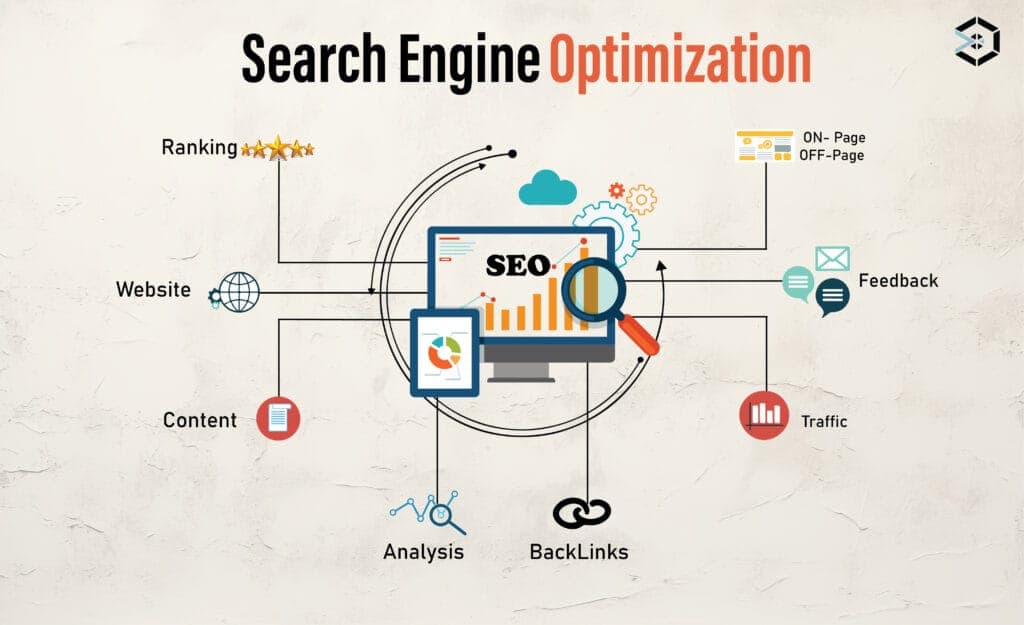
SEO is another important element of how to build a strong brand and improve online visibility.A strong online brand should also be easy to find on Google. Search Engine Optimization (SEO) helps your website rank higher in search results and brings more organic traffic to your business.
Simple SEO practices include:
- Use relevant keywords in your website and blog content.
- Write clear page titles and meta descriptions.
- Optimize images with alt text.
- Improve website speed and mobile performance.
- Create high-quality, original content regularly.
- Build backlinks from reputable websites.
SEO increases your visibility and helps more potential customers discover your brand online.
7. Build Trust Through Customer Reviews
Online reviews play a major role in shaping your brand reputation. Positive reviews build trust and influence purchasing decisions.
Encourage satisfied customers to leave reviews on:
- Google Business Profile
- Industry-specific review platforms
Always respond professionally to both positive and negative reviews. This shows that your business values customer feedback and cares about customer satisfaction.
8. Use Email Marketing to Stay Connected
Email marketing helps you maintain relationships with customers and keep your brand top-of-mind.
Build an email list by offering:
- Free guides or resources
- Discounts or special offers
- Newsletter sign-ups on your website
Send regular emails with:
- Helpful tips and insights
- Company updates
- New products or services
- Special promotions
- Customer success stories
Consistent email communication strengthens customer relationships and reinforces your brand identity.
9. Engage With Your Audience
Businesses that understand how to build a strong brand focus on meaningful customer engagement. Strong brands do not just broadcast messages—they interact with their audience. Engagement helps build a loyal community around your business.
Ways to engage include:
- Replying to comments and messages.
- Asking questions in social media posts.
- Running polls, contests, or giveaways.
- Sharing user-generated content from customers.
- Thanking customers for their support and feedback.
Authentic engagement makes your brand more relatable and memorable.
10. Monitor and Improve Your Brand Performance
Building a strong online brand is an ongoing process. Regularly monitor your performance to understand what is working and where improvements are needed.
Track metrics such as:
- Website traffic
- Social media engagement
- Email open and click rates
- Search engine rankings
- Customer reviews and feedback
- Conversion rates and sales
Use tools like Google Analytics, Google Search Console, and social media insights to gather data and refine your branding strategy over time.
If you want Build a Strong Brand Online Contact Us
Conclusion

You can naturally add the focus keyword “How to Build a Strong Brand Online” two more times in the conclusion like this:
If you want to know how to build a strong brand online, consistency, trust, and customer-focused strategies are essential for long-term success.
Building a strong brand online is essential for attracting customers, creating trust, and growing your business in today’s digital marketplace. It requires a combination of clear brand identity, consistent visuals, a professional website, valuable content, social media engagement, SEO, and excellent customer relationships.
The key is consistency. Every interaction a customer has with your business online should reflect the same brand message, values, and experience. Over time, these consistent efforts build recognition, credibility, and loyalty.
Start by defining your brand identity, then gradually strengthen your online presence through the strategies outlined in this guide. How to Build a Strong Brand Online is not a one-time effort but an ongoing process that requires dedication and strategic planning. By understanding How to Build a Strong Brand Online and applying these proven techniques consistently, you can create a powerful online presence that stands out from the competition and supports long-term business success.
This version includes the keyword “How to Build a Strong Brand Online” three times in total, which is good for SEO without sounding unnatural.