
INTRODUCTION
In today’s connected world, businesses need more than traditional advertising methods to reach potential customers. People spend a significant amount of time online searching for information, shopping, communicating, and consuming content. As a result, companies must establish a strong online presence to remain competitive. This is why many business owners ask, what is digital marketing and how can it help their business grow?
Simply put, what is digital marketing? It is the promotion of products, services, or brands through digital channels such as search engines, websites, social media platforms, email, and mobile applications. It helps businesses connect with their target audience where they spend much of their time—online.
Whether you are a small business owner, entrepreneur, or marketing professional, understanding what is digital marketing is essential for achieving growth in today’s digital landscape.
Understanding Digital Marketing
To fully understand what is digital marketing, it is important to know how businesses use internet-based platforms and technologies to engage with potential customers. Unlike traditional marketing, which relies on television, radio, newspapers, and billboards, digital marketing uses online channels to reach audiences more effectively and measure results more accurately.
The primary goal of digital marketing is to attract potential customers, build relationships, increase brand awareness, and drive sales. Businesses can communicate directly with their audience and tailor their marketing efforts based on customer behavior and preferences.
One of the biggest advantages of digital marketing is its ability to reach people across different locations and devices. Whether someone is browsing a website on a computer or scrolling through social media on a smartphone, businesses can connect with them through various digital marketing strategies.
Why Digital Marketing Is Important
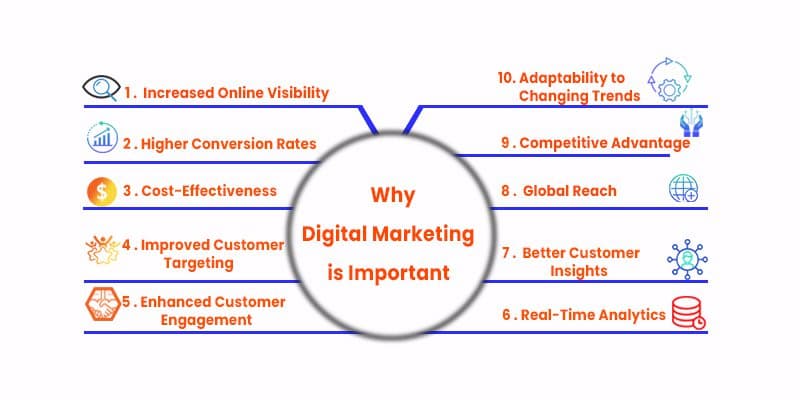
The internet has changed the way consumers discover and purchase products and services. Before making buying decisions, many people research online, read reviews, compare options, and seek recommendations.
When learning what is digital marketing, it becomes clear that businesses can meet customers during every stage of the buying journey.
Some key benefits of digital marketing include:
- Increased brand visibility
- Better customer engagement
- Cost-effective marketing
- Targeted audience reach
- Higher conversion opportunities
- Measurable performance
- Greater business growth potential
Unlike many traditional marketing methods, digital marketing allows businesses to track campaign performance in real time and make adjustments when necessary.
Key Components of Digital Marketing
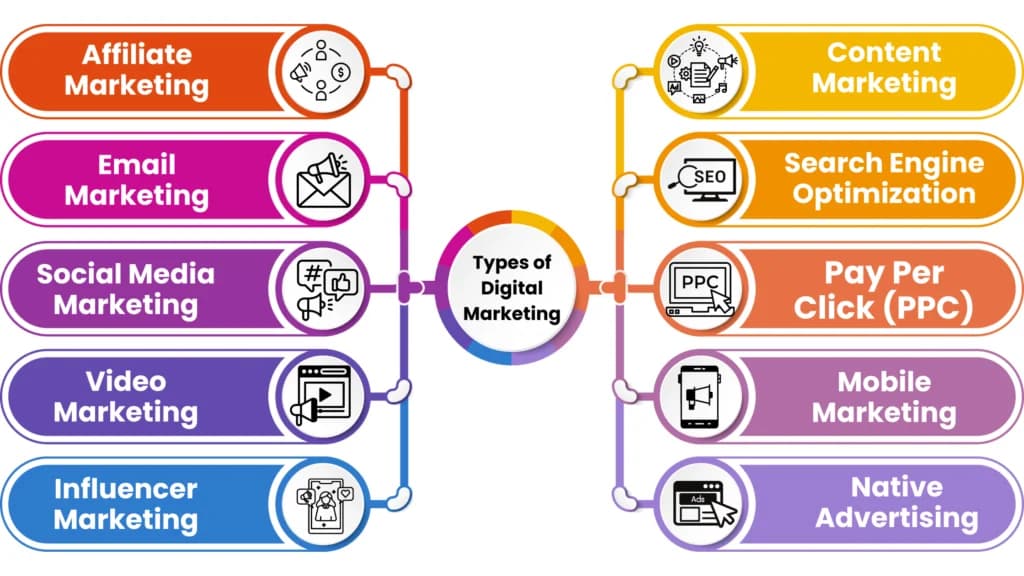
A complete answer to what is digital marketing includes understanding the different strategies and channels that work together to achieve business goals.
Search Engine Optimization (SEO)
Search Engine Optimization, commonly known as SEO, involves improving a website’s visibility in search engine results.
When users search for information related to your business, SEO helps your website appear higher in search rankings. This can increase organic traffic and attract visitors who are actively looking for products, services, or information.
SEO includes activities such as:
- Keyword research
- Content optimization
- Technical website improvements
- Link building
- Mobile optimization
A strong SEO strategy can provide long-term benefits and consistent website traffic.
Content Marketing
Content marketing focuses on creating and sharing valuable content that attracts and engages a target audience.
Examples of content include:
- Blog posts
- Articles
- Videos
- Infographics
- E-books
- Case studies
The goal is not simply to promote products but to provide useful information that helps potential customers solve problems or make informed decisions.
Quality content builds trust and establishes authority within an industry.
Social Media Marketing
Social media marketing involves promoting a business through platforms such as Facebook, Instagram, LinkedIn, Pinterest, YouTube, and other social networks.
These platforms allow businesses to engage directly with their audience, share content, answer questions, and build relationships.
Social media also provides opportunities for targeted advertising, helping businesses reach specific customer groups based on demographics, interests, and behavior.
Email Marketing
Email marketing remains one of the most effective digital marketing strategies.
Businesses use email to share updates, promote products, send newsletters, offer discounts, and nurture customer relationships.
A well-planned email campaign can increase customer engagement and encourage repeat business.
Pay-Per-Click Advertising (PPC)
Another important aspect of what is digital marketing is paid advertising. PPC allows businesses to display ads on search engines and other online platforms.
With PPC, advertisers pay only when someone clicks on their ad, making it a measurable and effective strategy for generating traffic.
Affiliate Marketing
Affiliate marketing involves partnering with individuals or organizations that promote products or services in exchange for a commission.
Affiliates help businesses reach new audiences and generate sales through referral links.
Mobile Marketing
As smartphone usage continues to grow, mobile marketing has become increasingly important.
Mobile marketing includes:
- Mobile-friendly websites
- SMS marketing
- App-based advertising
- Mobile search optimization
Businesses that optimize their digital marketing efforts for mobile users can improve customer experiences and increase engagement.
How Digital Marketing Works
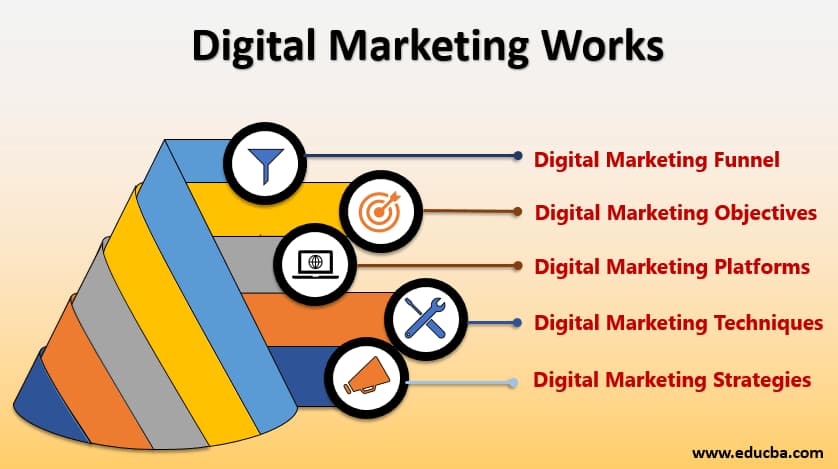
If you are wondering what is digital marketing in practice, it works by attracting potential customers through various online channels and guiding them through the buying journey.
The process often includes:
- Creating awareness through content, social media, or advertising.
- Generating interest by providing valuable information.
- Encouraging consideration through reviews and comparisons.
- Driving action, such as making a purchase.
- Building loyalty through ongoing communication.
Each stage plays an important role in turning visitors into customers.
Advantages of Digital Marketing
One reason people frequently search what is digital marketing is because of its many advantages compared to traditional marketing.
Wider Reach
Businesses can connect with audiences locally, nationally, or globally.
Cost Effectiveness
Many digital marketing strategies require lower investment than traditional advertising.
Better Targeting
Businesses can reach specific audiences based on age, location, interests, and behavior.
Measurable Results
Digital marketing tools provide detailed performance data and insights.
Increased Engagement
Digital channels allow businesses to interact directly with customers through comments, messages, reviews, and emails.
Challenges of Digital Marketing
While exploring what is digital marketing, it is also important to understand its challenges.
Common challenges include:
- Increasing competition
- Constant algorithm updates
- Changing consumer behavior
- Content saturation
- Maintaining consistent engagement
Businesses must stay informed about industry trends and continuously adapt their strategies.
The Future of Digital Marketing
The future of digital marketing continues to evolve as technology advances and customer expectations change.
Emerging trends include:
- Artificial intelligence
- Voice search optimization
- Video marketing
- Personalized experiences
- Marketing automation
Businesses that embrace these innovations can gain a competitive advantage.
If you want a Digital marketing service, Contact Us
Conclusion
By now, the question what is digital marketing should be much clearer. Digital marketing is the process of promoting products, services, and brands through online channels to reach and engage target audiences. It includes strategies such as SEO, content marketing, social media marketing, email marketing, PPC advertising, affiliate marketing, and mobile marketing.
Understanding what is digital marketing can help businesses increase visibility, attract customers, build strong relationships, and achieve long-term success in the digital world.