
Introduction
The rise of social media has revolutionized daily communication, turning platforms like Facebook, Instagram, and LinkedIn into powerful spaces for connection, influence, and marketing. Millions of people use platforms like Facebook, Instagram, LinkedIn, YouTube, Pinterest, and X to connect with friends, discover new products, and interact with brands. As a result, businesses of all sizes are using social media marketing to reach their target audience, build brand awareness, and drive business growth.
Social media has transformed from a simple networking tool into a dynamic marketing channel that helps businesses connect, communicate, and grow in the digital world. It allows businesses to communicate directly with customers, share valuable content, and create meaningful relationships that can lead to increased sales and customer loyalty.
What Is Social Media Marketing?
Social media marketing is a digital marketing approach that leverages platforms such as Facebook, Instagram, LinkedIn, and X to reach potential customers and build meaningful relationships. By sharing valuable content, engaging with audiences, utilizing targeted advertisements, and measuring campaign performance, businesses can enhance their online presence and accomplish their marketing goals.
The primary objective of social media marketing is to connect with potential customers where they spend a significant amount of their time online. By maintaining an active presence on social media, businesses can increase visibility and establish a strong digital presence.
Why Social Media Marketing Is Important
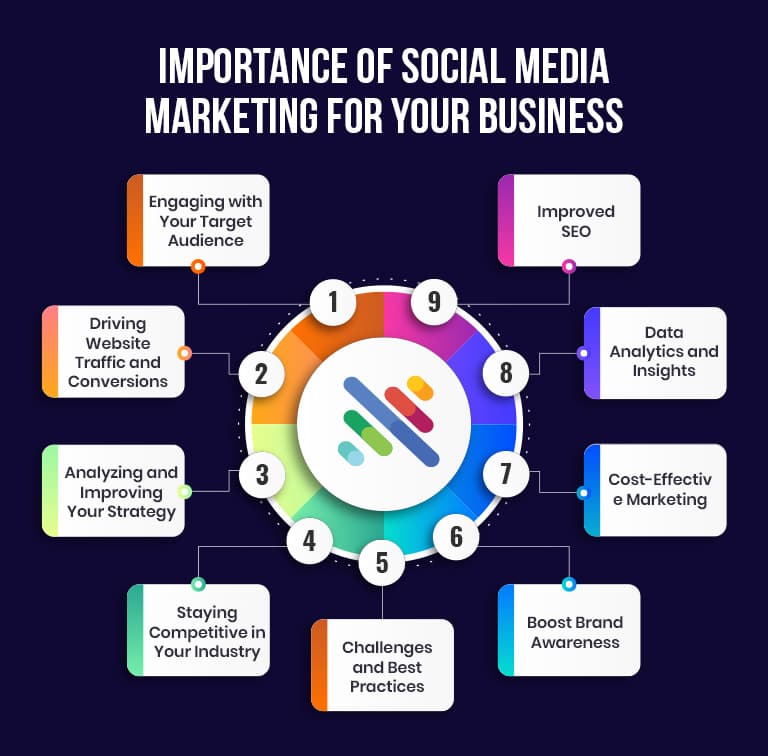
Consumer behavior has changed significantly over the years. Before making purchasing decisions, many people research products, read reviews, and interact with brands online.
Social media marketing helps businesses stay connected with their audience throughout this journey.
Some key benefits include:
- Increased brand awareness
- Better customer engagement
- Improved website traffic
- Higher lead generation opportunities
- Increased sales and conversions
- Stronger customer relationships
- Cost-effective marketing
Unlike traditional advertising, social media provides businesses with opportunities to communicate directly with customers and receive immediate feedback.
Popular Social Media Marketing Platforms
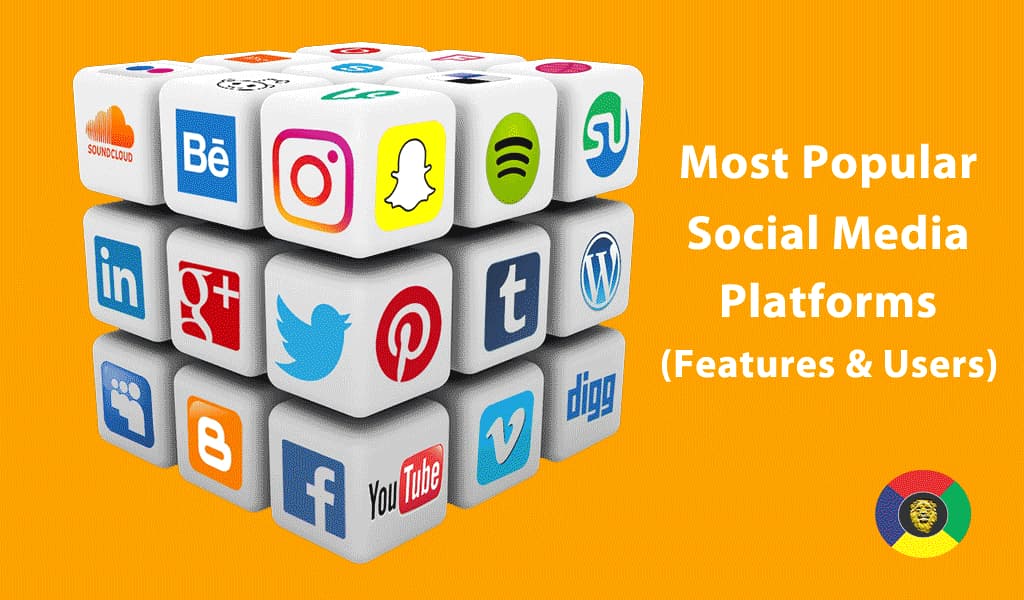
Every social media platform has its own audience demographics and communication style. Knowing which platforms your target customers prefer is a key factor in creating successful social media marketing campaigns and increasing engagement.
Facebook remains one of the largest social media platforms worldwide. Businesses use Facebook to share updates, promote products, run advertisements, and engage with customers.
Instagram focuses heavily on visual content, including images, videos, stories, and reels.
Businesses use Instagram to:
- Showcase products
- Build brand identity
- Connect with younger audiences
- Increase engagement
Unlike traditional social media platforms, LinkedIn is designed for professional connections, making it a powerful channel for businesses looking to build partnerships, share expertise, and attract qualified leads.
Businesses use LinkedIn to:
- Share industry insights
- Build professional relationships
- Generate leads
- Recruit talent
YouTube
Video content continues to grow in popularity, making YouTube an important platform for marketers.
Businesses can create:
- Product demonstrations
- Educational content
- Tutorials
- Customer testimonials
- Brand stories
Pinterest functions as a visual discovery platform where users search for ideas, inspiration, and products.
It is particularly effective for industries such as:
- Fashion
- Home décor
- Food
- Beauty
- Lifestyle
Businesses can drive website traffic through optimized pins and visual content.
Creating a Social Media Marketing Strategy
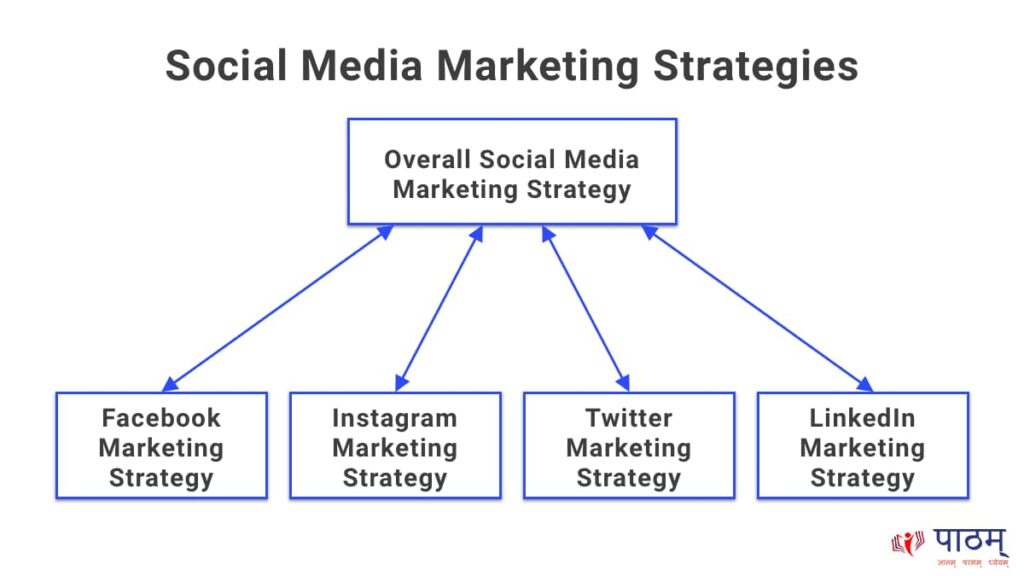
Successful social media marketing requires a clear strategy rather than random posting.
Define Your Goals
Before creating content, identify what you want to achieve.
Common goals include:
- Increasing brand awareness
- Growing followers
- Driving website traffic
- Generating leads
- Boosting sales
- Improving customer engagement
Understand Your Audience
Knowing your target audience is critical.
Consider factors such as:
- Age
- Location
- Interests
- Occupation
- Online behavior
The more you understand your audience, the easier it becomes to create content that resonates with them.
Choose the Right Platforms
Not every platform is suitable for every business.
For example:
- B2B companies often benefit from LinkedIn.
- Fashion brands may perform better on Instagram and Pinterest.
- Educational content can thrive on YouTube.
Choosing the right platform is one of the most important parts of social media marketing success.
Creating Valuable Content

Content is the foundation of social media marketing success.
Effective content not only informs readers but also captures attention, encourages interaction, and helps build a loyal community around your brand.
Popular content formats include:
- Educational posts
- Infographics
- Videos
- Reels
- Stories
- Polls
- Customer testimonials
- Behind-the-scenes content
A mix of informative, entertaining, and promotional content often produces the best results.
Consistency is equally important. Regular posting helps keep your audience engaged and strengthens your online presence.
The Importance of Engagement
Success on social media requires more than regular posting—it depends on audience engagement, community building, and strategic communication. It is about building relationships.
Encouraging meaningful interactions with followers is essential for social media success, and businesses can achieve this by:
- Responding to comments
- Answering questions
- Participating in discussions
- Acknowledging feedback
- Thanking customers
Strong engagement is a key factor in effective social media marketing and helps build trust with followers.
Social Media Advertising
Organic reach can be powerful, but paid advertising can help businesses expand their reach even further.
Most social media platforms offer advanced advertising options that allow businesses to target users based on:
- Demographics
- Interests
- Behaviors
- Locations
- Purchasing habits
Benefits of social media advertising include:
- Increased visibility
- Better audience targeting
- Faster lead generation
- Improved conversion opportunities
Combining paid campaigns with social media marketing efforts can produce excellent results.
Measuring Social Media Marketing Success
Tracking performance is essential for continuous improvement in social media marketing.
Important metrics include:
Reach
Reach is a key metric that shows how many individuals have been exposed to your content.
Engagement
Engagement includes:
- Likes
- Comments
- Shares
- Saves
- Clicks
Website Traffic
Monitoring website visits from social media helps determine how effectively your content drives visitors.
Conversion Rate
Conversions may include:
- Purchases
- Form submissions
- Newsletter sign-ups
- Downloads
Tracking these metrics helps businesses understand the effectiveness of their social media marketing strategy.
Common Social Media Marketing Mistakes
Many businesses struggle because they make avoidable mistakes.
Common errors include:
- Posting inconsistently
- Ignoring audience engagement
- Focusing only on promotions
- Using poor-quality visuals
- Not tracking performance
- Targeting the wrong audience
Recognizing and correcting these missteps can pave the way for more effective strategies and greater success.
Future Trends in Social Media Marketing
Social media continues to evolve rapidly.
Some important trends include:
- Short-form video content
- Influencer marketing
- Artificial intelligence tools
- Personalized content
- Social commerce
- Interactive experiences
Businesses that adapt to these trends can remain competitive and continue reaching new audiences through social media marketing.
If you want a social media marketing service, Contact Us
Conclusion
Social media marketing has become an essential component of modern business growth. It allows businesses to connect with customers, build brand awareness, increase engagement, and generate sales through platforms where people spend a significant amount of their time.
By understanding your audience, creating valuable content, engaging consistently, and measuring results, you can develop an effective social media marketing strategy that supports long-term success.
Whether you are a small business owner, entrepreneur, or established company, investing in social media marketing can help strengthen your online presence and create meaningful connections with your target audience in an increasingly digital world.